The exposure that matters in the visa-hopping reforms is not how many international students a university enrols but how many of its commencers it finds already inside Australia. That share varies widely between institutions, it is rarely reported to councils, and it is the revenue these reforms reach first. A university that plans 2027 on total headcount will find the damage in its margin before it appears in its enrolment numbers.
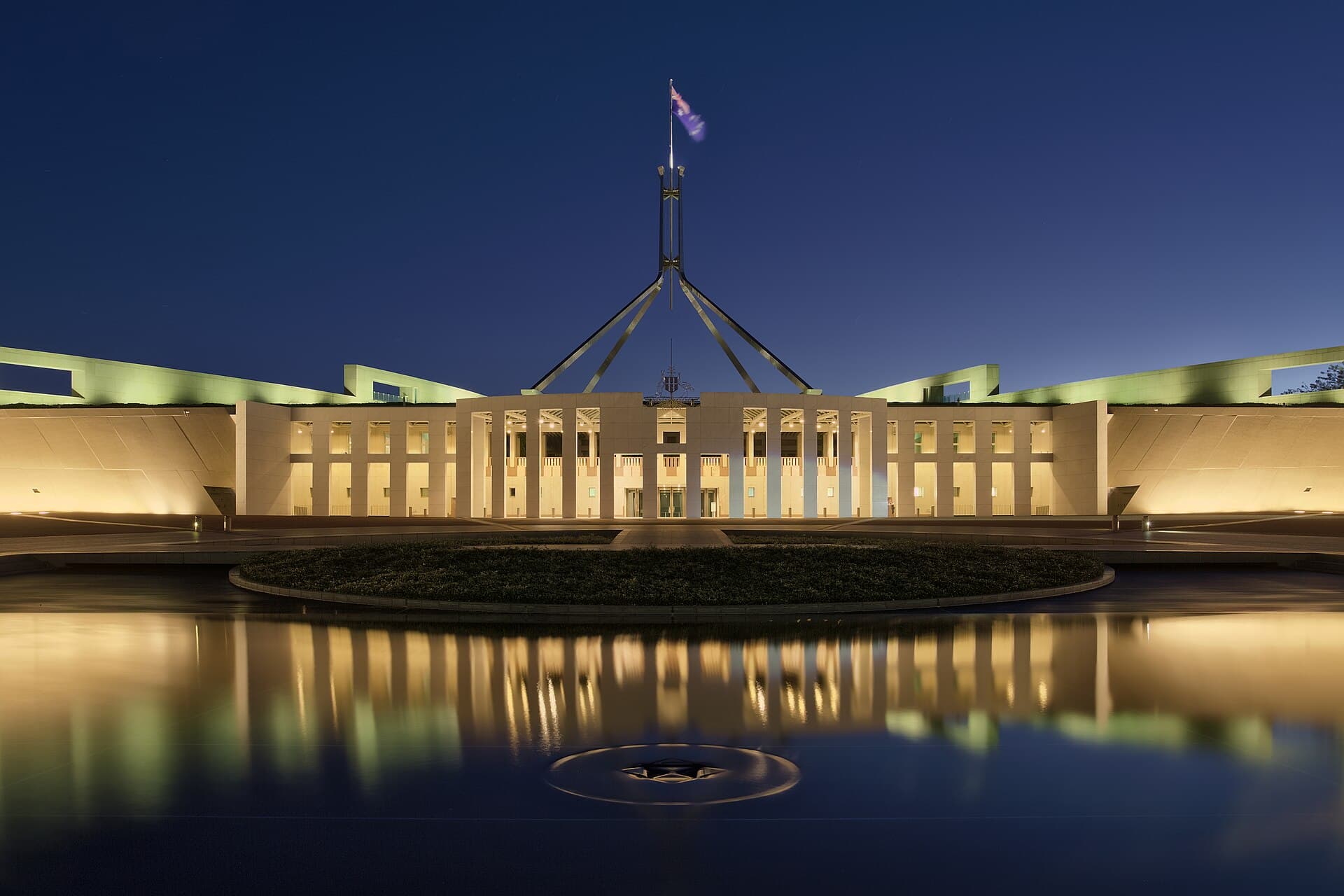
The Labor government has implemented reforms intended to stop visa hopping, close transfer loopholes and impose tighter rules on international students bringing family to Australia (Visa hopping reforms are live, Campus Review). The report, published on 7 October, pictures Julian Hill, the International Education Assistant Minister. Most of the text sits behind a subscriber login. The tags indicate that Universities Australia and Luke Sheehy feature, but what they said is not visible.
Start with the mechanism the headline names and does not follow. A student who transfers from another provider, enrols in a second course or switches visa category arrives without agent commission, offshore marketing or visa-refusal risk. My reading, from sector pattern rather than the article, is that this is the cheapest student a university recruits. Closing the route does not remove the seat; it forces the institution to buy it offshore. Compute two numbers. First, international commencers who held any Australian visa at offer, including transfers, divided by total international commencers, by faculty and level. Above roughly one in four, my judgement is that offshore recruitment cannot backfill within one intake cycle, and a 2027 revenue gap should be provisioned now. Second, lost onshore commencers multiplied by the sum of agent commission, per-student marketing cost and expected visa-refusal write-off, set against the contribution margin those students generated. Where the replacement cost exceeds about half that margin, chasing headcount destroys value and a smaller intake is the better answer.
The same logic applies course by course. Divide transfer-in commencers by total commencers for every course with international load above 40 per cent. Inference: any course above 20 per cent has a load forecast that is now wrong and must be rebuilt before timetabling and casual staffing are locked. Agent agreements written on onshore-referral terms will underperform for a full cycle before anyone notices, so re-weighting them belongs in this quarter.
The family rules are, on my reading, a research-pipeline issue presented as a migration one. Applicants who travel with dependants are more likely to be mature master's and doctoral candidates than undergraduates, though the article does not say which cohorts or visa subclasses are covered. Divide international students with accompanying family by total international enrolments, separately for research degrees, postgraduate coursework and undergraduate. If the research-degree dependant share exceeds the research-degree offer-decline rate, the rules will surface as missed research intake targets rather than a general dip. That makes it a decision for the research portfolio: whether to fund stipend top-ups or family-support packages, decided before 2027 scholarship rounds close and well before acceptances reveal the effect.
Campus Review published an item headed 'Coalition policy targets int'l students' on the same day. Only the headline is visible, so its content is unknown. Inference: if both major parties are competing on restriction, a medium-term plan that models regulatory relief defers hard portfolio choices by a year, and that scenario should be removed.
The load-bearing facts from the article are the three reform strands, their implementation and the same-day Coalition headline. The cost asymmetry between channels, the cohort profile, every threshold and the Coalition's direction are my inference. The article leaves unknown the start date and any grandfathering, what counts as a transfer loophole, which family categories are affected and whether the sector secured carve-outs.
Responding to Visa hopping reforms are live, Campus Review.